The Aftermath of Traveling
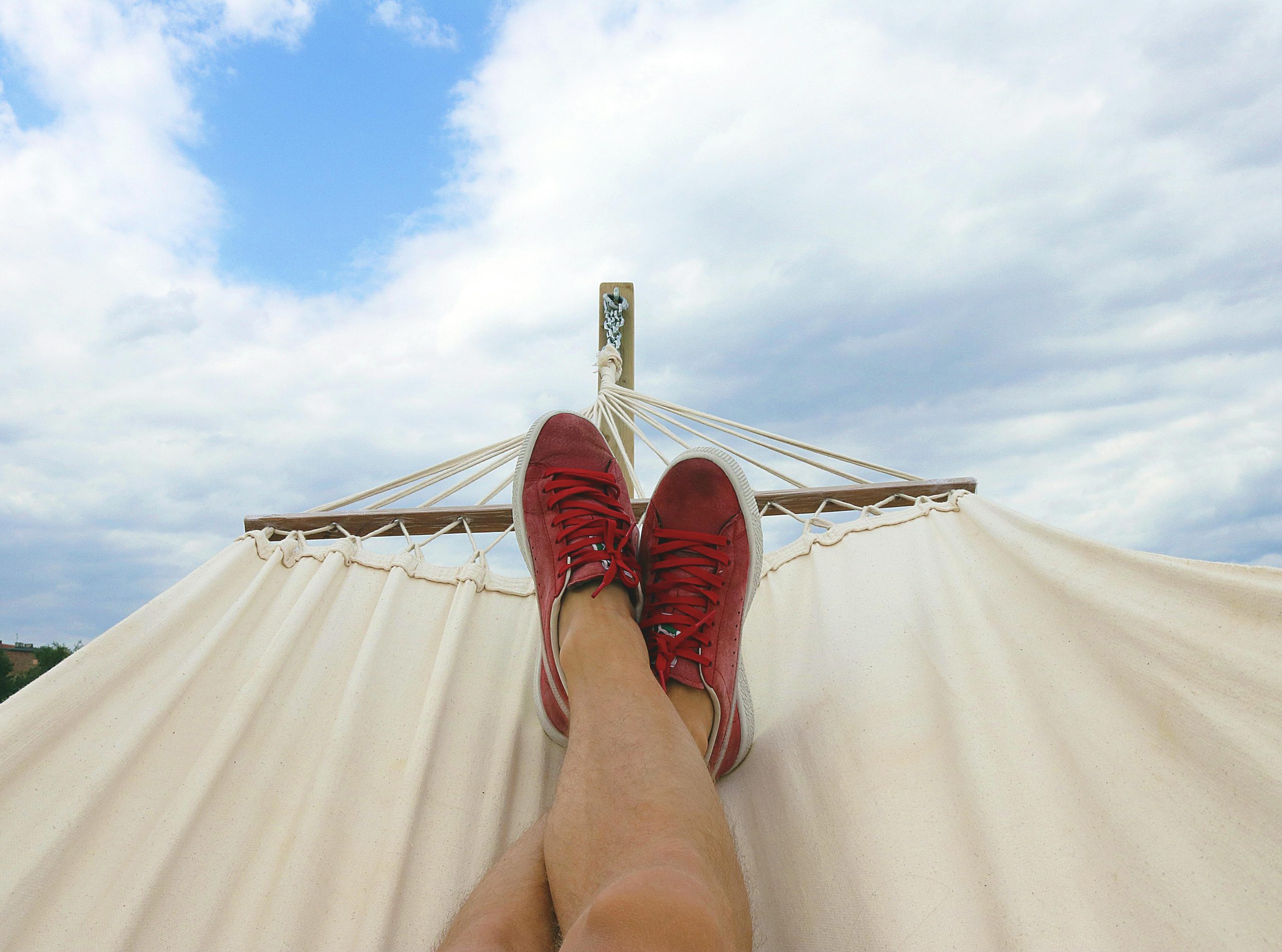
Ever returned home from an amazing trip, only to feel a bit off? You’re not alone. The post-travel blues are more common than you might think. It’s that strange, wistful feeling that creeps in once you’re back to your usual grind. Addressing this phase after a trip can significantly improve your transition back into daily life. So, let’s dive into how you can navigate the aftermath of traveling.
Understanding Post-Travel Blues
Definition and Symptoms
Post-travel blues, also known as post-vacation depression, is an emotional state characterized by feelings of nostalgia, sadness, and unease after returning from a trip. Symptoms can range from mild disorientation to a profound sense of longing for your recent adventure.
Why It Happens: Psychological and Emotional Aspects
Travel provides a break from routine, a surge of new experiences, and an opportunity for self-discovery. When we return, the abrupt end of this stimulating period can lead to a psychological and emotional downturn. It’s like crashing from a sugar high; your mind has to readjust to the ‘ordinary’ after being constantly stimulated.
Reintegrating into Daily Life
Re-establishing Routines
Getting back into your daily routine can provide a sense of stability. However, it might require some effort. Start small—unpack your bags, stock your fridge, and gradually ease into your usual schedule. Here are a few of our favorite products to help with our post-vacation nighttime routine:
Practical Steps to Help Minimize Post-Travel Blues
1) Write the memories from your trip in your favorite journal. Writing about your trip helps preserve those precious memories. Journaling can be therapeutic, allowing you to process your experiences. This is our favorite journal to carry on the go as it is specific for travel -> Travel Journal
2) Make a “To-Do” list. When getting back to a normal routine, we find it so satisfying to cross off “to-do” items. If you want to make your “To-Do” list a little more colorful and fun, try writing your list with Sharpie markers -> Fun Colored Sharpies
3) Do something familiar when you get home, like go for a walk, grab a coffee from your favorite coffee shop, or take a bath to practice some self-care. If you’re looking for a nice-smelling bath salt, try this one -> Mineral Bath Salt.
Maintaining a Travel Mindset
Bringing Aspects of Travel into Everyday Life
Miss the mountains in Aspen or the cafes of Paris? Incorporate elements of your travel experiences into your daily routine. Cook dishes from that country, listen to music you discovered, or start a hobby you encountered during your travels.
Staying Curious and Adventurous
Travel cultivates curiosity and a sense of adventure. Keep exploring, even if it’s in your own city. Visit new places, try different activities, and maintain that zest for discovery.
Managing Physical Health
Dealing with Jet Lag
Jet lag can exacerbate post-travel blues. Combat it by adjusting your sleep schedule before you return home, staying hydrated, and spending time outdoors to reset your internal clock. For your next trip, you may also want to consider taking a natural supplement that helps with jet lag -> Jet Lag Supplements
Rest and Recuperation Techniques
Travel can be exhausting. Allow yourself some downtime to rest and recuperate. Gentle exercise, adequate sleep, and a healthy diet can help rejuvenate your body and mind.
Unpacking (Literally and Figuratively)
Processing your travel memories can be both joyous and melancholic. Talk about your adventures with friends or write about them. It helps in embedding those experiences in your long-term memory. Creating a photo album is a fun way to process the memories and cherish them for years to come. -> Customized Photo Albums
Dealing With Travel Withdrawals
Strategies To Cope With Travel Withdrawals
Travel withdrawal is real. Start by planning small outings or weekend getaways. Maybe start discovering local spots you haven’t explored yet. It eases the transition and keeps the excitement alive.
Planning Future Trips to Maintain Excitement
There’s no better antidote to travel withdrawal than planning your next trip. Whether it’s next month or next year, having a future travel plan can keep you motivated and excited. This journal is perfect for planning future travel -> Travel Bucket List Journal .
Setting New Goals
Personal and Professional Goal Setting Post-Travel
Set new goals post-travel. Whether it’s professional aspirations or personal challenges, riding the wave of experiences can propel you towards achieving them. If you haven’t bought the bucket list book for your future travels, this is an amazing way to write down where you want to go in the future. Bucket List – Travel Book
Conclusion
Travel offers a treasure trove of experiences that can be hard to let go of. But the post-travel phase doesn’t have to be a downer. By understanding the emotional waves, embracing your journey, and maintaining a travel mindset, you can beautifully navigate the aftermath of traveling. So, take proactive steps, keep that spark alive, and let every trip enrich your life long after it’s over.
FAQs
How long do post-travel blues last?
The duration varies from person to person. It can last from a few days to several weeks, depending on the individual’s adaptability and coping mechanisms.
Can travel blogs help with post-travel blues?
Absolutely! Writing or reading travel blogs can be therapeutic and provide an avenue to share and relive travel experiences.
What’s the best way to keep in touch with people I met during my travels?
Utilize social media platforms, exchange emails, or use messaging apps to maintain communication. Planning future meetups can also keep the connection alive.
How can I financially recover quickly after an expensive trip?
Begin by reviewing your expenditures, cut down on non-essential expenses, and start a dedicated savings plan for future trips. This mindful approach can help you recover financially.
Is it normal to feel guilty about taking time off for travel?
It’s normal but unnecessary. Travel is a form of self-care and personal growth. Remember, everyone deserves a break to recharge and enjoy life.
*This blog post contains affiliate links from Amazon.com. If you use them, Blissfully Being might be rewarded a commission on the sale (at no extra cost to you). Please note that we only recommend items that we personally love and we always have our readers’ best interest at heart!




Leave a Reply
You must be logged in to post a comment.